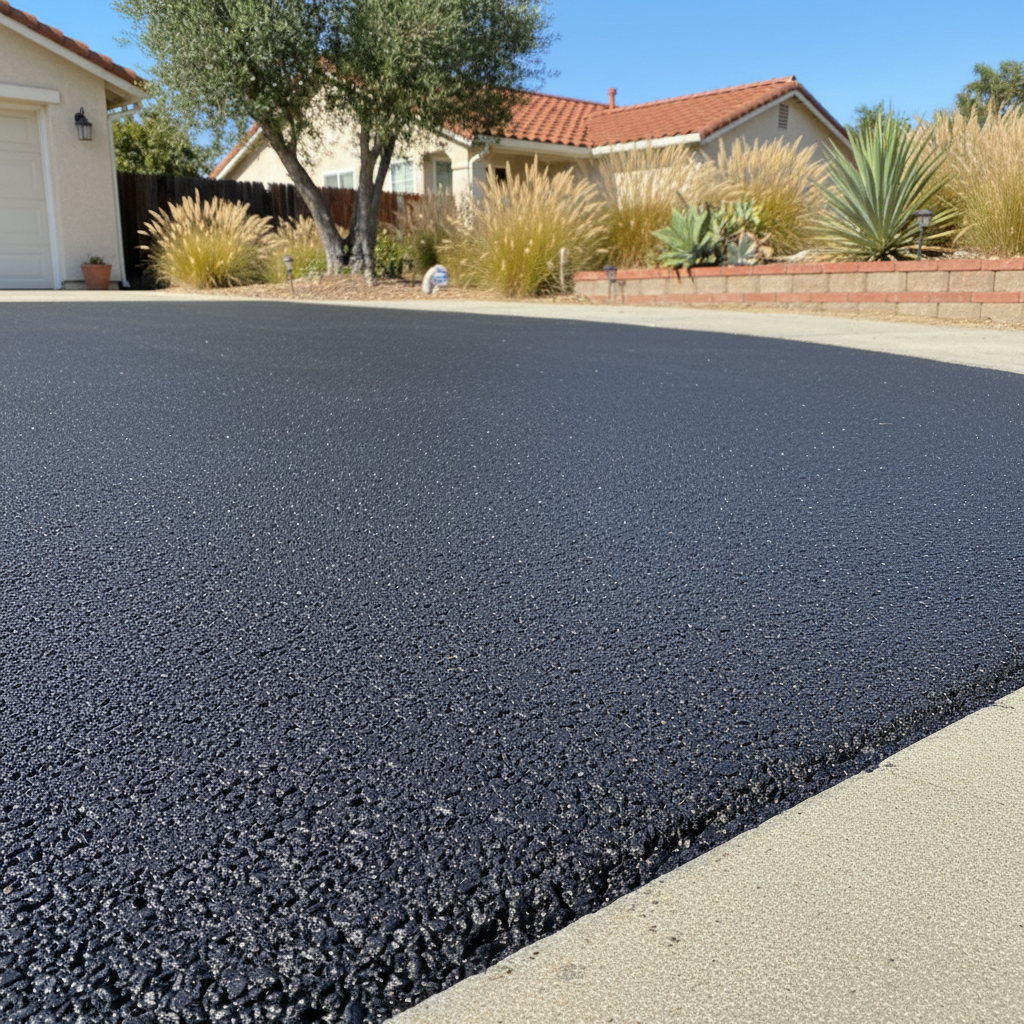
Alright, let's talk asphalt. I've been doing this a long time here in San Jose, and I hear the same questions from homeowners over and over. That's good, it means you're thinking about your investment. So, I figured I'd just lay out the answers to the most common stuff you ask me about residential asphalt.
How long should my asphalt driveway last?
This is probably the number one question, and it's a good one. A well-installed, properly maintained asphalt driveway in our San Jose climate should give you a solid 15 to 20 years, sometimes even more. But that's the key: "well-installed" and "properly maintained." If we do it right from the start, with good sub-base prep and enough asphalt thickness, you're already ahead of the game. Then, it's up to you to keep up with the maintenance, which we'll get into. Things like heavy vehicle traffic, shade, or poor drainage can shorten that lifespan, sure, but generally, two decades is a reasonable expectation.
What's the deal with cracks? Are they normal?
Yep, cracks are pretty normal with asphalt. It's a flexible material, and it's constantly expanding and contracting with our temperature swings — even here where we don't get extreme cold. Small hairline cracks, especially after the first year or two, aren't usually a huge concern. They're just the asphalt settling and reacting to the environment. The problem starts when those small cracks turn into bigger ones, or you see alligator cracking – that's when it looks like a reptile's skin. That means the base might be failing, or the asphalt is really dried out. You want to seal those smaller cracks up before they become bigger headaches. Water getting into cracks is the enemy; it erodes the base, and then you've got real trouble.
How often should I sealcoat my driveway?
This is a big one for extending your driveway's life. For most residential driveways around here, I tell folks to plan on sealcoating every 2-3 years. If you've got a lot of sun exposure, or heavy use, maybe every two. If it's mostly shaded and sees light traffic, you might stretch it to three. Don't fall for the "seal it every year" pitch; that's just overkill and can actually lead to buildup and flaking. Sealcoating protects the asphalt from UV rays, water penetration, and chemicals like oil and gas. It keeps it looking good and performing well. Think of it like sunscreen for your driveway.
Can I just patch a bad section, or do I need to repave the whole thing?
It depends on how bad the "bad section" really is. For isolated potholes or small areas of alligator cracking, patching can definitely be a good, cost-effective solution. We cut out the damaged area, repair the base if needed, and then fill it with new asphalt. It's a solid fix for localized issues. But if you're seeing widespread cracking, significant dips, or multiple areas of base failure across most of your driveway, then patching becomes a temporary band-aid. At that point, you're better off investing in a full repave. You'll get a uniform surface, a fresh base, and another 15-20 years out of it. We'll always give you an honest assessment at Charis Paving Co about which option makes the most sense for your budget and the long-term health of your driveway.
What causes those soft spots or depressions in my asphalt?
Soft spots or depressions, sometimes called "bird baths" if they collect water, usually point to a problem with the sub-base. The sub-base is the layer of compacted aggregate underneath the asphalt, and it's critical for support and drainage. If it wasn't properly compacted during installation, or if water has infiltrated and softened it up, the asphalt above it will sink. Another common culprit, especially in older San Jose neighborhoods with mature trees, is tree roots. They can grow under the driveway, lifting or cracking the asphalt, and when they die or are removed, the area can sink. Fixing these usually means digging out the affected area, repairing or replacing the sub-base, and then repaving that section.
How do I keep oil stains from ruining my driveway?
Oil and gas spills are tough on asphalt because they're petroleum-based, just like the binder in your driveway. They can soften and dissolve the asphalt over time, leading to deterioration. The best defense is a good offense: clean them up immediately. For fresh spills, try to absorb as much as you can with cat litter or sand. Then, you can use a stiff brush with a degreaser or a specialized asphalt cleaner. Rinse it thoroughly. Sealcoating also offers a layer of protection, making it harder for spills to penetrate directly into the asphalt. But honestly, quick cleanup is your best bet.
What's the deal with those little loose rocks after a new paving or sealcoat?
Ah, the loose aggregate. Totally normal, especially right after a fresh paving or sealcoating job. When we pave, the asphalt mix has aggregate (rocks) in it, and sometimes a few don't get fully embedded or work their way loose. With sealcoating, we often use a sand-filled sealer, and some of that sand won't bond perfectly. It's usually just excess material that needs to be swept away. After a few weeks of traffic and sweeping, it should settle down. If you're seeing a lot of loose aggregate for an extended period, or if the surface feels really rough and loose, that might indicate an issue with the mix or application, but a little bit is nothing to worry about. Just sweep it up and enjoy your new, smooth surface!