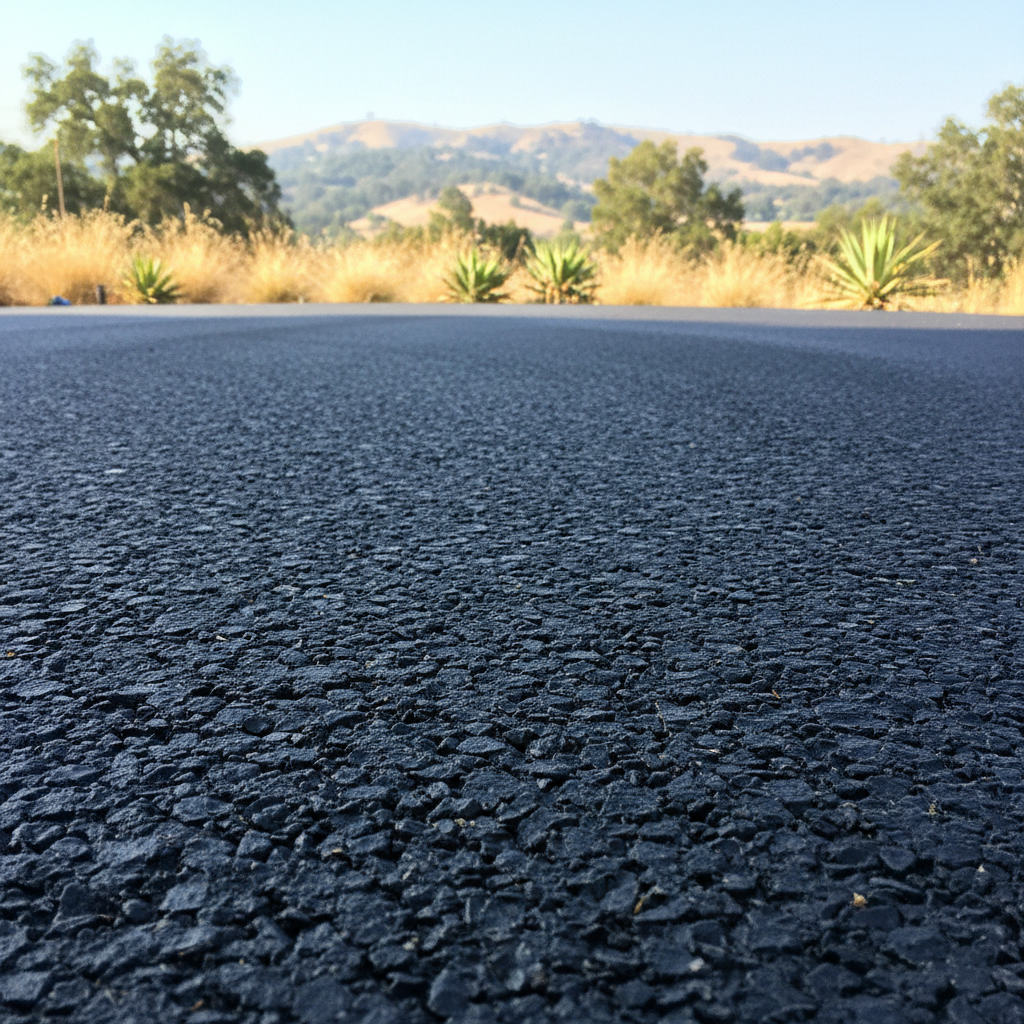
Thinking About a New Driveway?
So, you're looking at your driveway and thinking it's time for an upgrade or a full replacement. Maybe it's cracked, sinking, or just plain ugly. That's a common thought for homeowners, especially here in San Jose where we see everything from older, settled neighborhoods like Willow Glen to newer developments. A good driveway isn't just about curb appeal; it's a functional part of your home that takes a beating every single day.
Before you even think about shovels or concrete mixers, you've got to do some homework. The first thing is figuring out what kind of driveway you want. Are we talking asphalt, concrete, pavers? Each has its own look, cost, and maintenance requirements. Asphalt is generally quicker and cheaper to install, but it needs sealing every few years. Concrete is durable and low maintenance but can be more expensive upfront. Pavers offer a lot of design flexibility but are the most labor-intensive to install and can shift over time if not done right.
Next, you need to think about permits. Yep, even for your driveway. In San Jose, if you're significantly altering the size, location, or drainage of your driveway, you'll likely need a permit from the city. Don't skip this step; it can save you a huge headache down the line. Trust me, I've seen folks try to cut corners, and it never ends well. You also need to consider utility lines. Before any digging, call 811 to get underground utilities marked. It's free, it's the law, and it could prevent a very dangerous and expensive mistake.
What Can You DIY vs. When to Call a Pro?
Alright, let's talk about what you can realistically do yourself. For most homeowners, a full driveway installation is a big undertaking. It involves heavy machinery, precise grading, and a lot of specialized knowledge. This isn't like painting a room; mistakes here are costly and permanent.
Things you can probably handle:
- Demolition (sometimes): If you have an old asphalt driveway that's not too thick, you might be able to break it up and haul it away yourself. Just be prepared for serious physical labor and dust. Concrete is usually a no-go for DIY demo unless it's a very small section.
- Site Prep (limited): You can clear debris, trim back bushes, and ensure the area is accessible. But when it comes to grading, establishing proper drainage slopes, and compacting the sub-base, that's where the pros shine. Proper drainage is critical, especially with our rainy winters; you don't want water pooling against your house foundation.
- Sealing/Maintenance: If you go with asphalt, sealing it every 2-3 years is definitely a DIY job. You can buy the sealer at any home improvement store and apply it yourself. For concrete, keeping it clean and occasionally sealing it (if it wasn't sealed during installation) is also manageable.
Now, when do you absolutely need to call a professional? Almost everything else, honestly. Installing a new driveway, whether it's asphalt, concrete, or pavers, requires expertise in:
- Excavation and Grading: Getting the right slope for drainage is crucial. Without it, you'll have standing water, which leads to cracks and premature failure.
- Sub-base Preparation: This is the foundation of your driveway. It needs to be properly compacted and stable. If it's not, your driveway will crack and sink.
- Material Installation: Laying asphalt at the correct temperature and thickness, pouring and finishing concrete without cold joints or poor curing, or setting pavers level and tight – these are all skills developed over years.
- Heavy Equipment Operation: You'll need things like excavators, rollers, and specialized concrete tools. Renting them is one thing; knowing how to use them effectively and safely is another.
Look, I've been doing this for a long time at Charis Paving Co. and I've seen plenty of DIY attempts that ended up costing more to fix than if the homeowner had just hired a pro from the start. You're investing in your home; you want it done right.
What Happens During and After the Project?
If you hire a contractor like us, here's a general idea of what to expect. First, we'll handle the demolition and haul away the old material. Then comes the excavation and grading to ensure proper drainage. We'll lay down and compact the sub-base – usually a layer of gravel or crushed rock. This is critical for stability. After that, it's time for the actual paving material. For asphalt, that means hot asphalt mix laid down and compacted. For concrete, it's pouring, leveling, and finishing the slab. For pavers, it's laying them on a sand bed and compacting them into place.
During the project, expect some disruption. There will be noise, dust, and heavy equipment. Your driveway will be inaccessible for a period, sometimes for several days, especially with concrete that needs to cure. Make sure you discuss access and cure times with your contractor beforehand so you can plan accordingly.
Once the driveway is done, the work isn't over. For asphalt, you'll want to seal it within the first year, then every 2-3 years after that. This protects it from UV rays, water, and oil spills. For concrete, keep it clean. If it wasn't sealed during installation, consider applying a concrete sealer to protect it from stains and moisture. For pavers, occasionally sweep sand into the joints and consider a paver sealer to prevent weed growth and staining.
Regular maintenance, no matter the material, will extend the life of your driveway significantly. Don't let small cracks turn into big problems. Address them early. If you've got questions about your specific driveway or are ready for a quote, don't hesitate to reach out. We're here to help San Jose homeowners get the best possible driveway for their property.