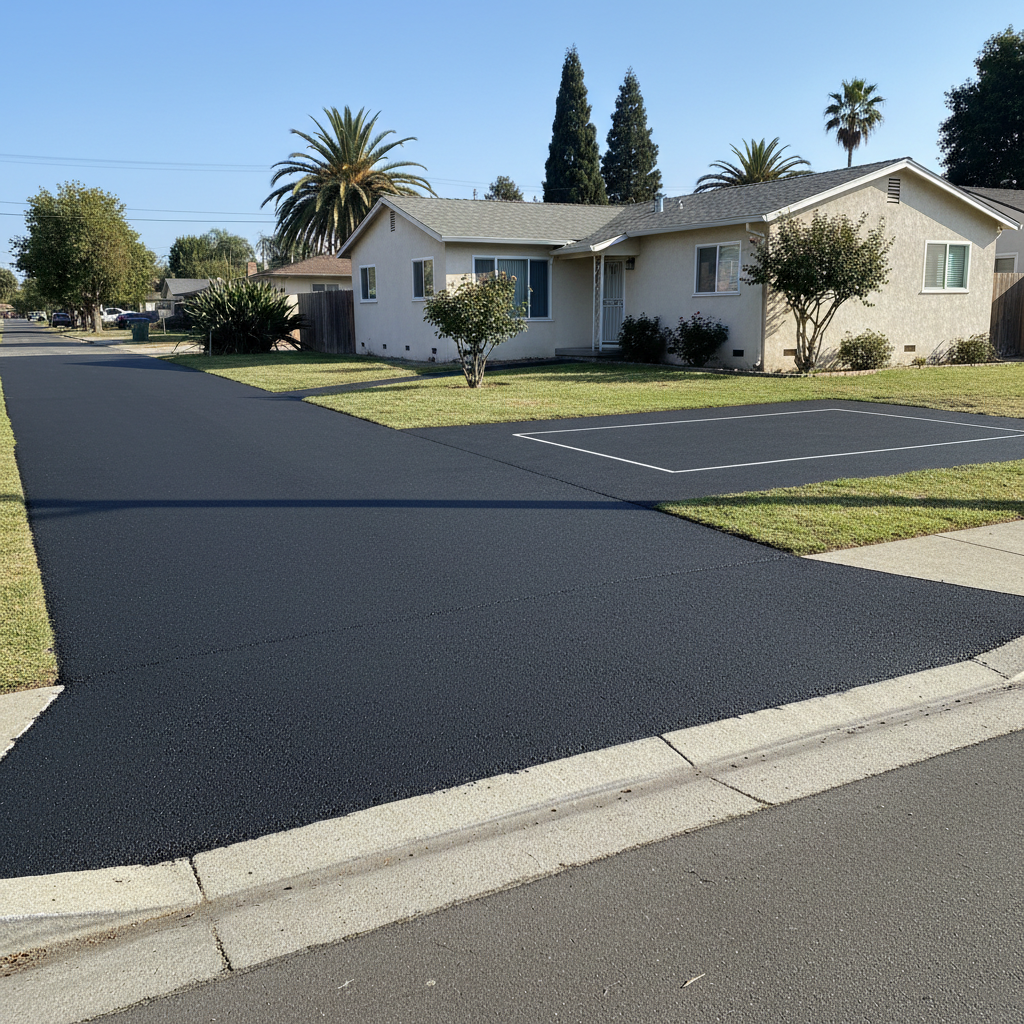
Alright, let's talk about commercial asphalt paving. If you're running a business here in San Jose, you know a good parking lot or access road isn't just nice to have; it's absolutely essential. It's the first thing customers see, and it impacts everything from safety to property value. But when it comes to the price tag, things can get a little murky, right? I'm going to lay out what you really need to know about commercial asphalt costs.
What Drives the Price Tag on Commercial Paving?
You'd think it'd be straightforward, wouldn't you? Square footage times a rate. Nah, it's never that simple. A bunch of factors play into the final cost:
- Project Size and Scope: This is a big one. A small patch job for a delivery bay is way different than a full-blown parking lot for a shopping center. Larger projects often get a better per-square-foot rate because of economies of scale, but the total cost is obviously higher. Are we just overlaying, or is it a full dig-out and replace? That's a huge cost difference.
- Existing Subgrade Conditions: This is critical, especially around here. San Jose soil, particularly in areas like Alviso or near the Bay, can be expansive clay or have poor drainage. If your existing base isn't stable, we're going to need to do more work to prepare it. That means more excavation, adding aggregate base rock, and compacting it properly. You can't build a good pavement on a bad foundation, plain and simple.
- Asphalt Thickness and Mix Type: Commercial jobs usually require thicker asphalt layers than residential driveways. We're talking about handling heavy trucks, constant traffic, and larger vehicles. The specific asphalt mix also matters – some mixes are designed for higher traffic loads or better durability, and they cost more per ton.
- Drainage Requirements: Proper drainage isn't optional; it's a must. If water sits on your pavement, it's going to fail fast. This might mean installing new catch basins, trench drains, or grading the lot to direct water flow. All that adds to the material and labor costs.
- Accessibility and Site Logistics: Is your site easy for our big trucks and equipment to get in and out of? Or are we working in a tight space downtown with limited access and strict work hour restrictions? Those kinds of challenges can add to labor time and complexity.
- Permits and Regulations: Commercial projects often require permits from the city of San Jose, especially if you're changing grading or drainage. There are fees associated with these, and ensuring compliance adds to the project's administrative overhead.
Typical Cost Ranges for Commercial Asphalt in San Jose
Okay, I know you want numbers, so let's get down to it. Keep in mind these are rough estimates for San Jose and the surrounding Bay Area, and they can fluctuate with material costs and demand:
- Asphalt Overlay (2-3 inches): This is for existing pavement that's in decent shape but needs a new wearing surface. You're generally looking at anywhere from $3.50 to $7.00 per square foot. This doesn't include significant base repair.
- Full Depth Replacement (4-6 inches of asphalt over new base): This is when we tear out the old stuff, prepare the subgrade, lay down a new aggregate base, and then pave with new asphalt. This is a much more involved process. Expect to pay between $8.00 and $15.00+ per square foot. If the subgrade is really bad and needs a lot of work, it can push that higher.
- New Construction (virgin site): For a brand-new parking lot where nothing existed before, you're looking at similar costs to a full depth replacement, often in the $9.00 to $16.00+ per square foot range, depending on the base requirements and overall complexity.
Remember, these are just for the paving itself. Add-ons like striping, signage, wheel stops, and any necessary concrete work (curbs, sidewalks) will be extra.
What Should Be Included in a Commercial Paving Quote?
When you get a quote from Charis Paving Co, or any reputable contractor, it should be detailed. Don't settle for a one-liner. Here's what you should expect to see:
- Detailed Scope of Work: Exactly what's being done. Is it an overlay? Full removal and replacement? How many inches of asphalt? What kind of base?
- Material Specifications: Type and thickness of asphalt, aggregate base, etc.
- Site Preparation: Includes excavation, grading, subgrade stabilization, and compaction.
- Drainage Plan: How water will be handled.
- Traffic Control: How they'll manage access during the project.
- Cleanup and Disposal: What happens to the old material.
- Warranty Information: What kind of guarantee they offer on their work.
- Payment Schedule: Clear terms for deposits and final payments.
- Permit Responsibility: Who is pulling and paying for necessary permits.
How to Avoid Overpaying for Your Commercial Paving Project
Nobody wants to get fleeced. Here's my advice:
- Get Multiple Bids: Don't just go with the first guy. Get at least three detailed quotes. This helps you compare apples to apples and understand the market rate.
- Check References and Licenses: Make sure the contractor is properly licensed and insured. Ask for commercial references and actually call them.
- Understand the Scope: Make sure every bid is for the exact same scope of work. If one bid is significantly lower, they might be cutting corners or not including something vital. Ask questions until you fully understand what you're paying for.
- Don't Chase the Lowest Price: The cheapest bid often ends up being the most expensive in the long run due to poor quality, callbacks, or hidden costs. You're investing in your business's infrastructure; prioritize value and durability over a rock-bottom price.
- Ask About Subgrade and Drainage: These are the two biggest reasons commercial pavements fail prematurely. Make sure your contractor has a solid plan for both.
Investing in your commercial pavement is a big deal. Do your homework, ask the right questions, and choose a contractor who knows their stuff and stands by their work. It'll save you headaches and money down the road.