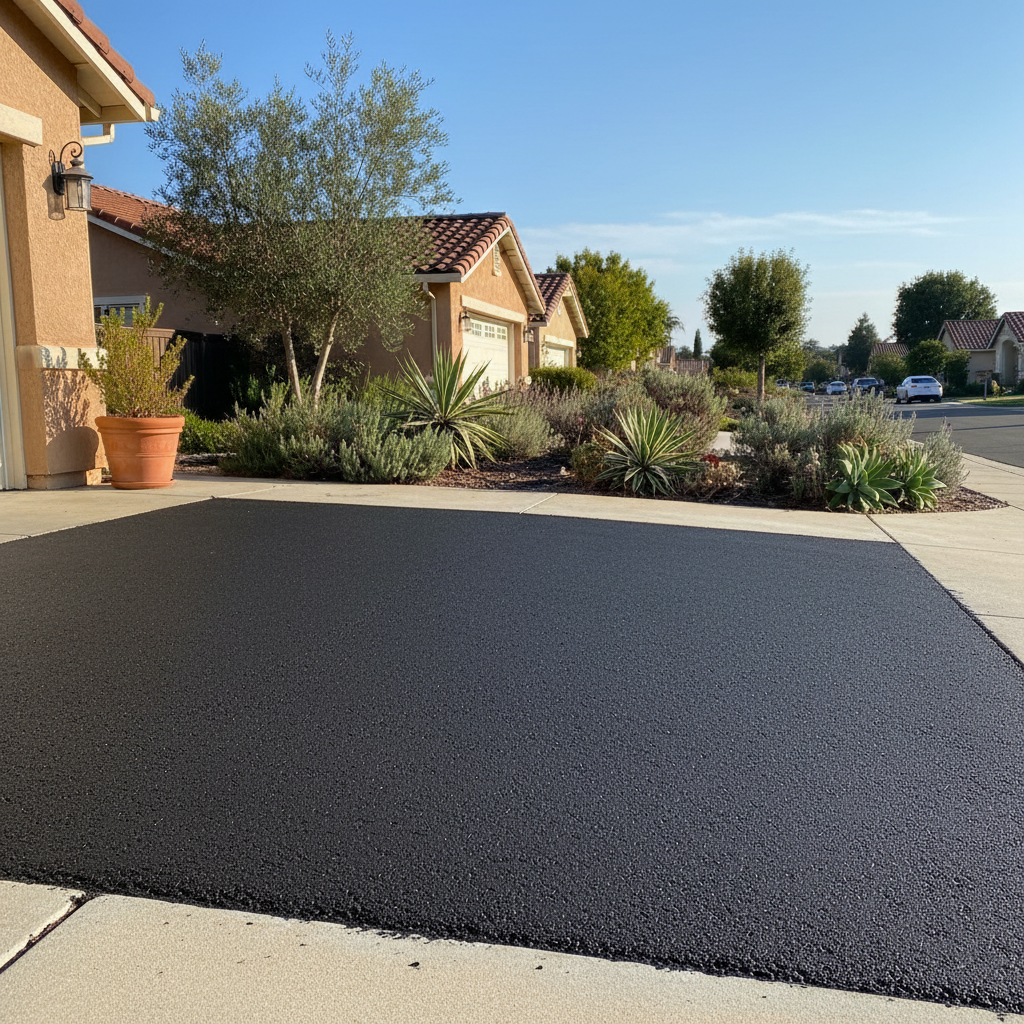
So, you've had some asphalt patching done on your driveway or parking lot. Good call. You fixed the problem, sure, but that's really just the first step. You've got to protect that patch if you want it to actually last. Think of it like getting a new roof; you don't just put it on and forget about it, right? Same goes for your asphalt.
How to Make Your Asphalt Patch Last
The biggest thing you can do to extend the life of any asphalt work, especially patches, is good old sealcoating. I recommend waiting about 30 to 90 days after a patch is laid before you sealcoat it. That gives the new asphalt time to cure properly. Sealcoating protects against UV rays, which are brutal here in San Jose, particularly during those long, hot summers. It also helps stop water from getting in, and water is the absolute enemy of asphalt. Water seeps into cracks, freezes (not often here, but it happens in colder parts of the Bay Area or during a rare cold snap), expands, and then you've got bigger problems on your hands. Sealcoat acts like a sunscreen and a raincoat for your pavement, if you think about it.
Another big one is proper drainage. If you've got standing water on or around your patched area, that's a problem, plain and simple. Make sure downspouts aren't dumping water directly onto your asphalt. If you see puddles forming after a rain, water is just sitting there, slowly working its way into the sub-base. That can undermine the patch and lead to new cracks.
Regular Maintenance You Shouldn't Skip
Regular maintenance for asphalt patching isn't rocket science, but it does require a little attention. Here's what I tell my clients:
- Keep it Clean: Sweep off dirt, leaves, and other debris regularly. Organic matter can hold moisture against the asphalt, and dirt can get ground into the surface, causing wear.
- Address Spills Immediately: Oil, gas, and other chemicals are terrible for asphalt. They break down the binder that holds the aggregate together. If you spill something, clean it up right away with an absorbent material, then wash the area with a mild detergent and water. Don't let it sit.
- Check for Cracks (Even Small Ones): Even after a patch, new hairline cracks can form nearby or within the patch itself over time. Catching these early with a crack filler can prevent them from becoming potholes. It's a lot cheaper to fill a crack than to replace a whole section.
- Avoid Heavy Loads: If you have a patched driveway, try to avoid parking extremely heavy vehicles (like RVs or commercial trucks) on it for extended periods. Concentrated weight can stress the patched area and the surrounding asphalt.
Warning Signs That Your Patch Needs Attention
You don't need to be an asphalt expert to spot trouble. Just keep an eye out for these things:
- New Cracks: If you see new cracks forming within the patched area or radiating out from it, that's a sign the patch might be failing, or the underlying issue wasn't fully addressed.
- Potholes or Depressions: Any dips or holes forming in or around the patch mean the sub-base is likely compromised, or the patch itself is breaking down.
- Fading or Discoloration: While sealcoat helps, if your patch is looking significantly lighter or gray compared to the surrounding asphalt, it's losing its protective properties and is more vulnerable to UV damage and water.
- Loose Aggregate: If you can see small stones coming loose from the surface of the patch, it means the binder is failing, and the patch is starting to unravel.
- Water Pooling: As I mentioned, standing water is a bad sign. If it's pooling on the patch, the grade isn't right, or the patch has settled unevenly.
When to Call a Professional (Like Charis Paving Co)
Look, a lot of minor maintenance you can handle yourself. But there are times when you really need to bring in the pros. If you're seeing extensive cracking, potholes bigger than a dinner plate, significant settling, or large areas of loose aggregate, it's time to call. These aren't DIY fixes anymore. Trying to patch over a failing patch often just wastes money and time because the underlying problem isn't fixed.
Sometimes, what looks like a simple patch problem is actually a deeper issue with your sub-base or drainage that needs a more comprehensive solution. For instance, in areas of San Jose with expansive clay soils, like parts of Evergreen or Almaden Valley, soil movement can put a lot of stress on pavement. A professional can assess whether the issue is just surface wear or if it's related to soil conditions that require a different approach — and trust me, you want to know the difference.
Don't wait until a small issue becomes a major headache. Catching these problems early can save you a lot of money and extend the life of your entire asphalt surface, not just the patch.